

 همه محصولات
Okay, so check this out—I’ve used a handful of Solana wallets in the browser. Wow! Some felt clunky. Some were slick but confusing. My instinct said one thing at first, then reality nudged me the other way, and honestly that tug-of-war is what taught me the most. Initially I thought browser wallets were all about convenience, but then I realized security and UX matter way more than a neat interface. On one hand the convenience is addictive; on the other hand small mistakes can cost real money, though actually, wait—let me rephrase that: the gap between a polished UX and a secure experience is smaller than it looks, but you have to test for it.
Here’s the short version: browser extensions are powerful, but they also increase your attack surface. Seriously? Yes. If your machine gets compromised, an extension can be a vector. Hmm… That said, when set up properly, an extension like the one I use (and recommend) hits a sweet spot. My approach is simple: treat the extension like a keychain that sits on your desktop — handy for day-to-day stuff, not where you stash everything long-term. Something felt off about store-only reviews; user experience anecdotes matter more than star ratings. Also: I’m biased, but I prefer wallets that make transaction details explicit and make it easy to verify destinations.
Short tip: backups first. Keep your seed phrase offline. Wow!
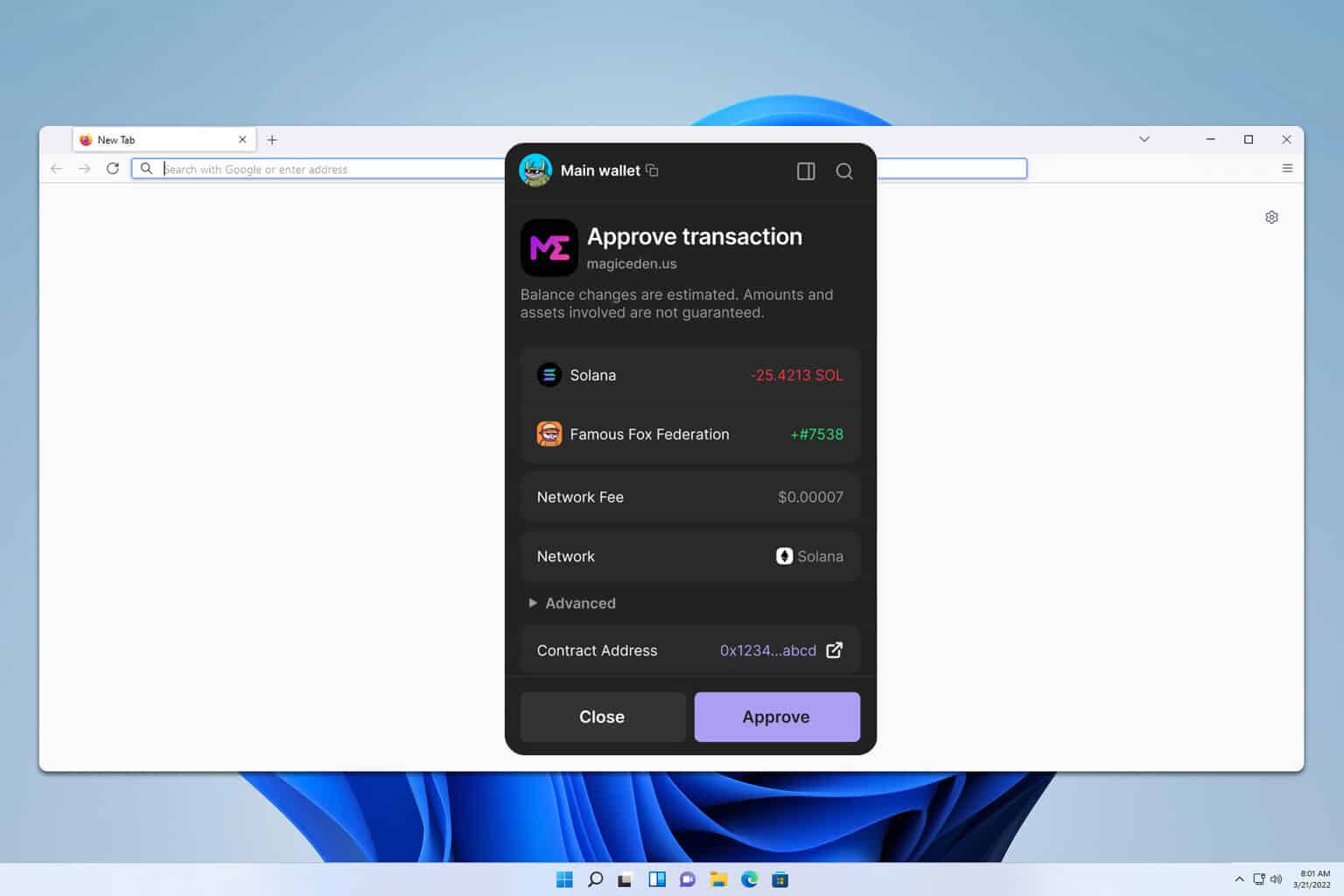
How the Phantom Extension Feels in Daily Use
I installed the extension several months ago after testing multiple options. The onboarding felt familiar and friendly. The account creation flow is quick, and it prompts you to write down your seed phrase before moving on — which still surprises me when apps actually do it right. My first impression was: nice design, minimal friction. But then I started stress-testing it. I connected to a few dApps, tried wallet-to-wallet transfers, and deliberately checked every permission prompt. Initially I trusted everything; then I caught myself auto-approving too fast. On one hand the prompts are concise; on the other they’re easy to gloss over if you’re not careful.
I’ll be honest: the convenience of an in-browser wallet makes you lazy. Somethin’ about that ease invites quick clicks. Seriously? Yes. So I altered my habits. I log out of the extension when not using it, and I keep a separate browser profile for high-value activity. This is extra work. But it’s the kind of small hygiene step that prevents big headaches later. (Oh, and by the way—if you use multiple dApp networks, be careful about network switching; unexpected fees or token confusion can happen.)
When dApps ask for signatures, the extension surfaces the message in a readable way most of the time. The UX favors clarity: amount, token type, and destination are shown. Yet sometimes the displayed contract text is abstract and technical, which is where my gut says pause. My instinct flagged a weird approve prompt once; I investigated on-chain, and it was benign — but that pause saved me from a rushed mistake. On the whole, the extension balances speed and clarity well, which matters when you’re moving NFTs or SPL tokens.
Quick aside: I tested it on both macOS and Windows. Performance difference was minimal. In one test a Windows session lagged during a large token swap, though that may have been local CPU usage, not the wallet itself. Small caveat but worth noting.
For readers who want to try it: if you’re ready for a friendly experience with smart defaults and clear prompts, consider the official browser extension. If you want the download, check out phantom wallet. It’s the place I used when I set mine up, and it got the job done without confusing steps.
Now, about mobile. The app mirrors many extension features. Having both is handy: the extension for fast desktop dApp interactions and the app for on-the-fly checks. But remember: keep the seed phrase offline. Seriously — write it down, laminated if you want, and keep it somewhere dry and safe. I’m not 100% sure if anyone else does laminates, but I do it sometimes.
Security Practices I Actually Follow
Don’t blindly trust auto-connect. Wow! Disconnect unused sites. That’s a basic rule. Use a dedicated browser profile. Use hardware for big holdings. Initially I thought my laptop-only setup was fine, but after a near-miss where I almost approved a phishing popup, I moved the bulk of my funds to a hardware option. On one hand hardware wallets are slightly less convenient; on the other they make remote exploits practically useless. Balance the trade-offs based on your risk tolerance.
Also: validate the extension source before install. Sounds obvious, but people still grab impostor extensions. Check the publisher, read multiple reviews, and compare the extension ID if you’re in doubt. (Pro tip: checksums and GitHub releases can help.) If something smells off, close the browser and double-check — my instinct has saved me before, and it might save you too.
One more thing: use small test transactions with new dApps or smart contracts. A tiny transfer confirms the flow, and then you proceed. This habit prevents mistakes from turning into big losses. It’s a simple ritual, like checking your tires before a road trip, but for crypto. I’m biased toward repeatable rituals because they cut down mental overhead.
UX Quirks and What Bugs Me
Here’s what bugs me about most wallet experiences: too many confirmations are unclear. The extension tries to simplify, but sometimes simplification removes nuance. For example, fee estimation could be clearer when competing with network congestion. Also, export formats for transactions or history aren’t always robust, which makes tax season annoying. Ugh.
Another minor gripe: when restoring accounts, the naming and account index behavior can be inconsistent across wallets. This is technical and nerdy, I know, but it matters if you juggle multiple accounts for different purposes. I ended up creating a small spreadsheet to track addresses and purposes — very very low-tech, but effective.
Still: the thoughtful touches — like a readable transaction preview and a clean token list — win me over. Small wins add up, and the overall polish is why I keep the extension handy.
Common Questions
Is a browser extension safe for daily use?
Short answer: yes, if you follow basic security hygiene. Use a clean browser profile, disable auto-connect, and keep large balances in cold storage. Also test flows with tiny amounts first and be skeptical of unfamiliar dApps.
Should I use the mobile app instead?
They complement each other. Use the app for quick checks and two-factor flows, and the extension for desktop dApps. For big holdings, prioritize hardware wallets. My instinct prefers splitting duties rather than relying on one platform exclusively.
How do I verify I’m downloading the real extension?
Check the official source and publisher in the browser store, confirm links from reputable sites, and compare extension IDs when possible. If unsure, pause and research — it’s worth a minute of delay.